
Four Graphs: How an AI Lab Knows What It Knows
A single measurement is not a result, and a result is not yet knowledge. Paramus keeps four kinds of statements apart: workflow, concept, knowledge and evidence.
A single measurement is not a result, and a result is not yet knowledge. Paramus keeps four kinds of statements apart: workflow, concept, knowledge and evidence.

Why the Agentic Ecosystem Has to Be Independent Opening up is not the same as being open Every established software

Lab work comes in different shapes, so Paramus has six agent apps – chat, discovery, dmta, scr, autonomy and coding – on one shared substrate of runs, principals, gates and provenance.
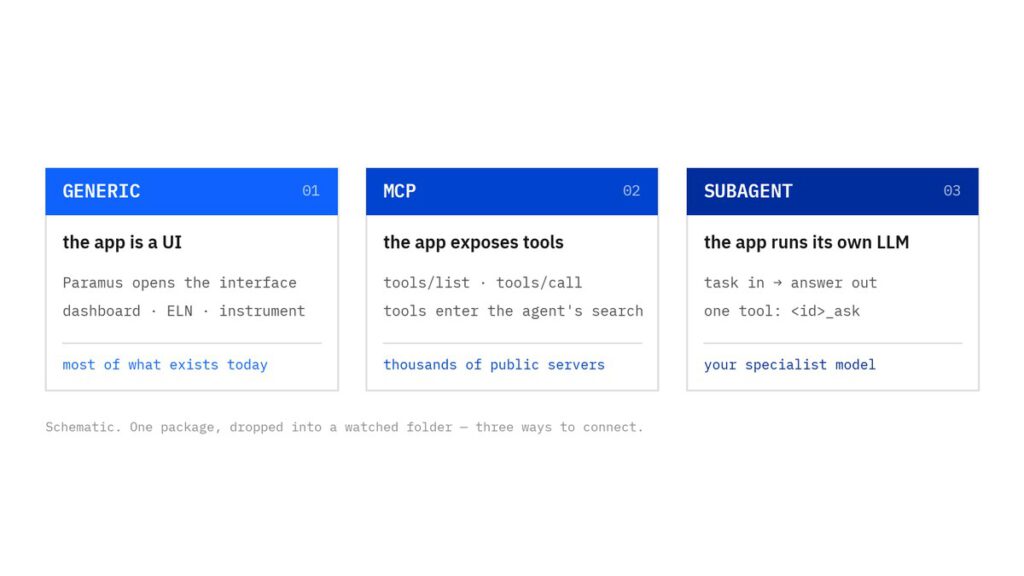
External Apps: Why Your Tools Belong in the Conversation A Paramus installation is never the whole story. Your group already
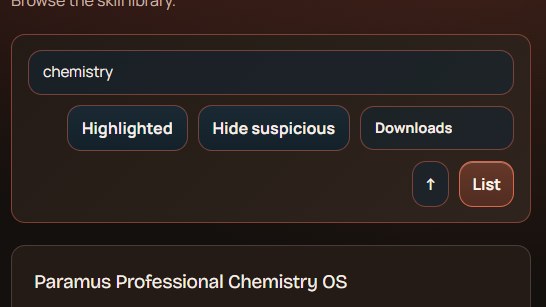
OpenClaw Goes Chemistry: When Multi-Agent Systems Meet Real Computation Last autumn, we made a deliberate decision: leave multi-agent orchestration to
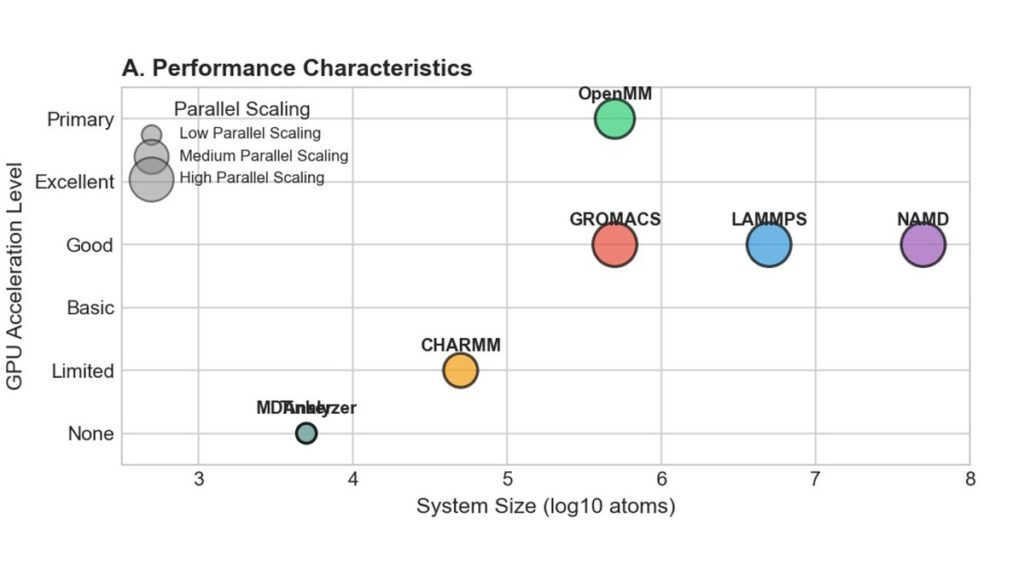
Tool Triage: When 1000+ Functions Compete for Your Prompt We’ve crossed a threshold. Our platform now hosts over 1,000 functions—or
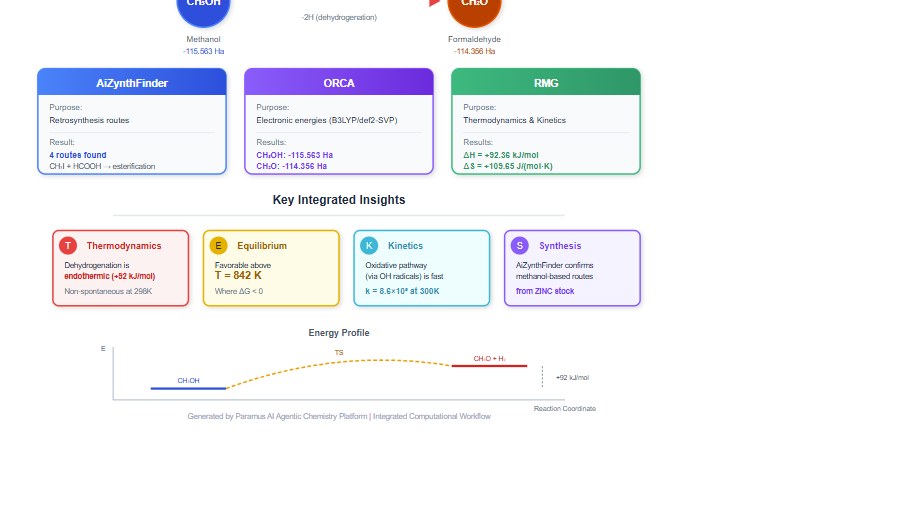
Commercializing Agentic Chemistry – Lessons from the First Months Here are some insights from our initial months of commercializing agentic
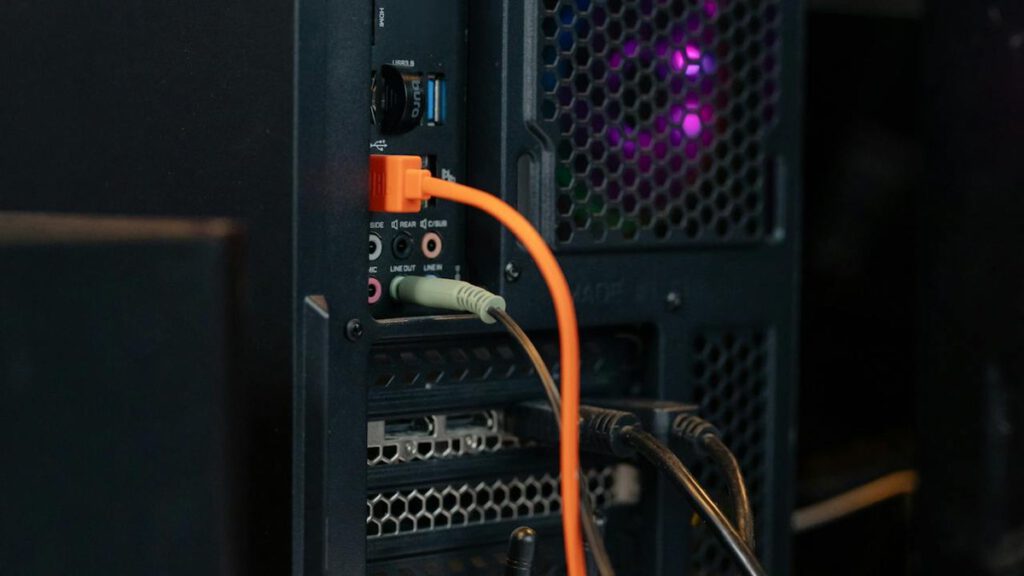
Cloud GPU hours are valuable for large-scale jobs like AI training, yes. But for chemistry calculations – running AI predictions,

Paramus Transforms the Core Economics of Chemical Software Traditional vendors offer a scattered landscape: Paramus delivers ‘unification’ – one entry
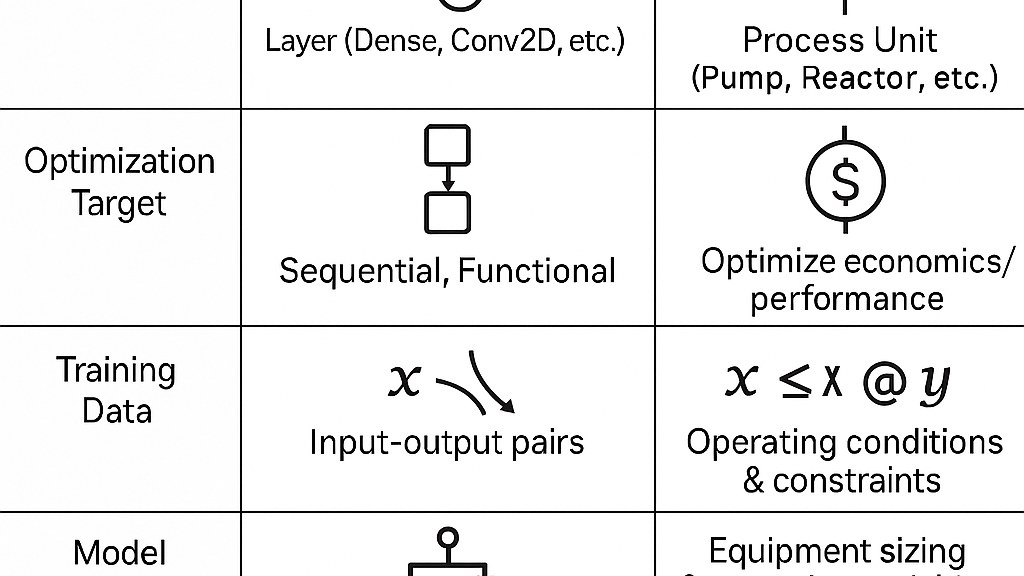
Chemical Plant Design: A Neural Network Approach Can a complex chemical plant be viewed analogously to a neural network? A