

Polymer Chemistry
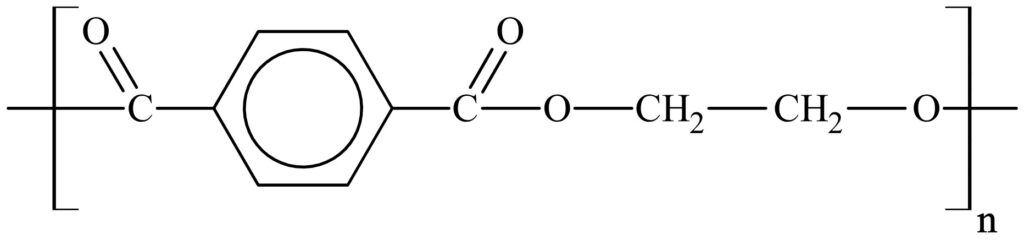
Paramus Polymer brings computational chemistry, ML models, and domain ontologies together to accelerate polymer development with chemically verified workflows rather than generic AI output.
Enter copilot, openAI and Claude for polymer scientists: real structure handling, validated reaction chemistry, and predictive models spanning kinetics, rheology, and thermo-mechanical behavior.
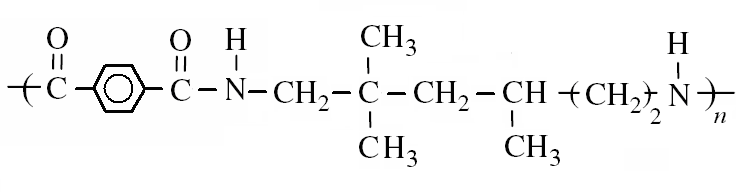
The best of both worlds: large-language-model capability fused with chemical exactness for real polymer design and validated structure–property prediction.
Paramus POLY
The Paramus.ai Polymer Chemistry Solution accelerates polymer discovery through AI-powered models and predictive analytics.
from $899 USD*
* named user, per year, terms apply.
Included
The polymer package from paramus contains:
Models
Models (Polymer-property prediction / generation / simulation)
Transformer for polymer property prediction
Multi-task polymer regression + classification
Conditional polymer generation (inverse design)
Graph model for polymer ensemble properties
MD parameters + coordinates for polymers
Organic force field for conformations + phonons
Neural potential for organic molecules (14 elements)
Data
Datasets (Polymer Data)
~1M polymers: density, Tg, Tm, dielectric
MD data for 1,070 amorphous polymers
12M CRUs from 77k commercial monomers
DFT properties for 12M polymers
IP/EA for 10k+ copolymers (xTB)
146 annotated polymer articles for NER