MedChem and Organic Chemistry
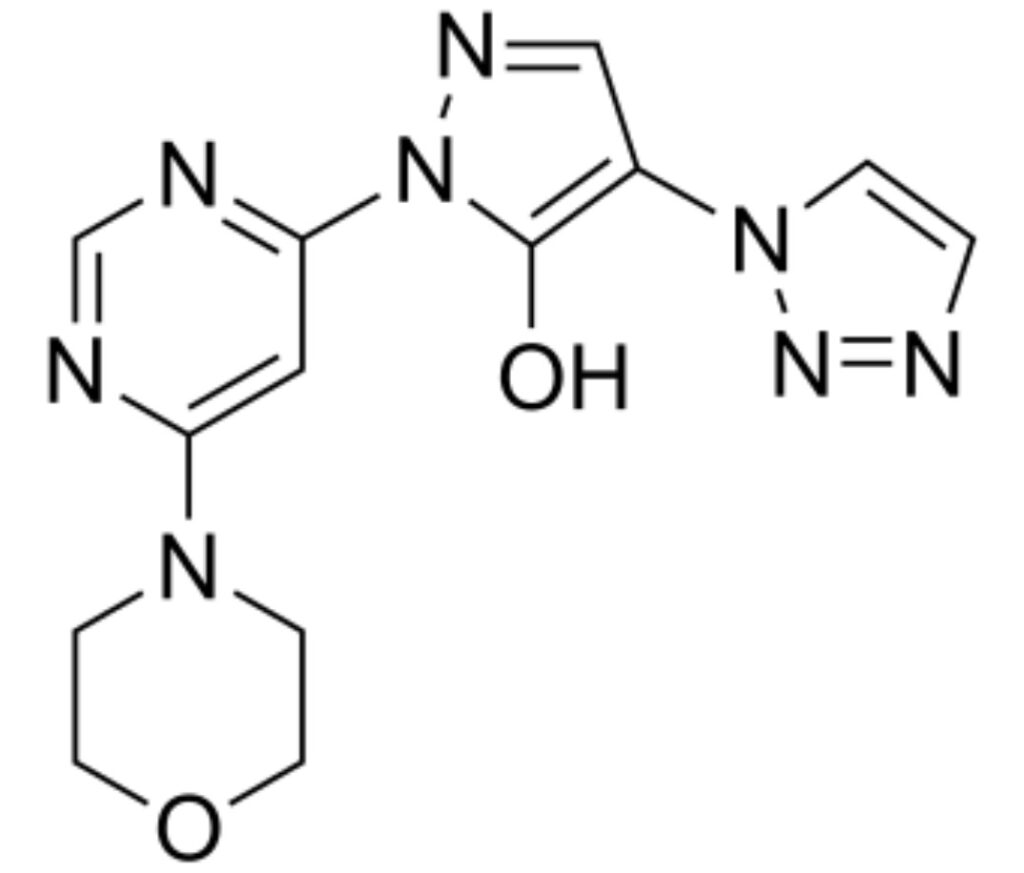
Organic chemistry is the foundation of molecular science, shaping pharmaceuticals, agrochemicals, and advanced materials. Advances in drug design, optimization, and ADMET profiling transform how therapies are discovered and delivered.
Progress in reaction design and synthesis strategies drives innovation in health, energy, and sustainable chemistry.
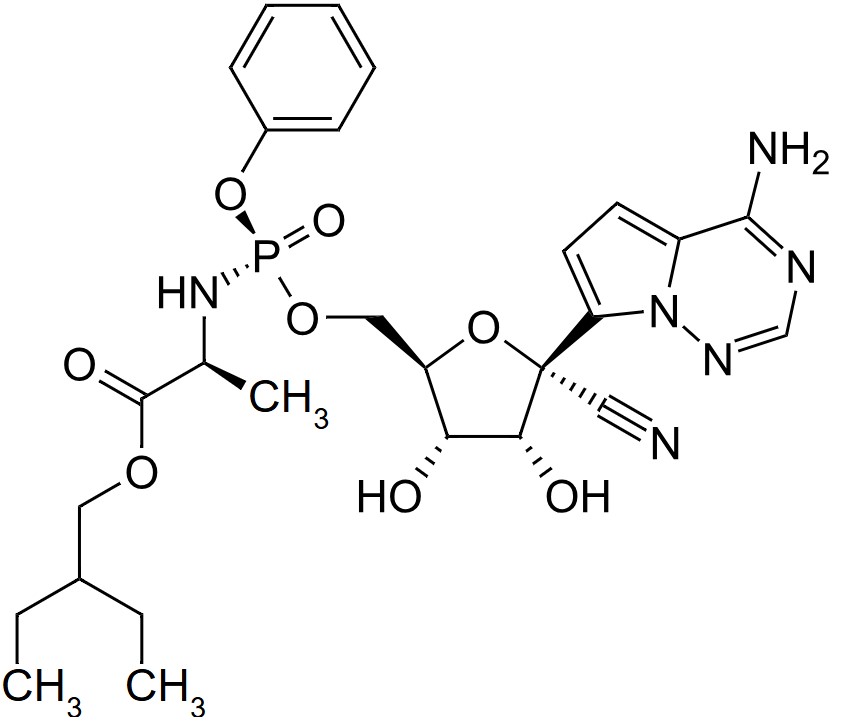
Paramus ORGANIC
The Paramus.ai Organic Chemistry Solution accelerates discovery through AI-guided retrosynthesis, mechanism prediction, and data-driven design.
from $899 USD*
* named user, per year, terms apply. Some apps require commercial licenses from the vendors.
Included
The organic/medicinal chemistry package from Paramus contains:
Models
Retrosynthesis & AI Models
AI retrosynthesis: MCTS + neural networks for multi-step route planning
Synthesizability-constrained molecular design (40B+ Enamine REAL)
Neural potential for organic/drug-like molecules (14 elements)
Force field for organic molecules and molecular crystals
Semi-empirical QC for fast geometry optimization and screening
Format conversion, 3D generation, fingerprints for organic molecules
Data
Datasets (Organic / MedChem)
134k organic molecules: HOMO, LUMO, gaps, dipole, Cv
QM9 + IR, Raman, UV-Vis spectra and tensorial properties
pKa, solvation free energy for 8k+ ionizable solutes
Open-access crystal structures for organic/inorganic compounds
76 molecules with CCSD(T)/CBS atomization energies
Simulation & HPC
Quantum Chemistry & Molecular Dynamics
Quantum chemistry: HF, DFT, MP2, CCSD(T), SAPT
Ab initio quantum chemistry: HF, DFT, MP2, MCSCF, CI
Scalable QC for HF, DFT, MP2, coupled cluster (MPI)
DFT, TDDFT, multi-reference, spectroscopy for organic molecules
Semi-empirical MO methods (PM7) for fast organic screening
MD toolkit for biomolecules with AMBER/CHARMM
MD engine for proteins, ligands, solvation
Force field parameterization: GAFF, antechamber, tleap
OPLS-AA ligand parameters for organic molecules
FAQ
LogP, polar surface area, molecular weight, hydrogen bond donors/acceptors, rotatable bonds, and Lipinski rule-of-five compliance, plus 200+ extended descriptors via RDKit.
The platform provides drug-likeness screening with Lipinski Rule of Five, QED scoring, synthetic accessibility analysis, LogP, and polar surface area. Combined with 200+ molecular descriptors, these tools support early-stage candidate filtering and prioritization.
SMILES, SDF, MOL, PDB, CIF, XYZ, and FASTA. Automatic format detection and conversion between formats is built in.
WORLD links compounds to targets, assays, and publications as semantic triples, enabling relationship discovery and SAR analysis through natural language queries.
Yes. Batch processing supports virtual screening of compound libraries with property filtering, similarity search, and substructure matching across your datasets.