

Material Science

Materials science underpins progress in energy, electronics, and mobility by engineering properties at the atomic and molecular scale.
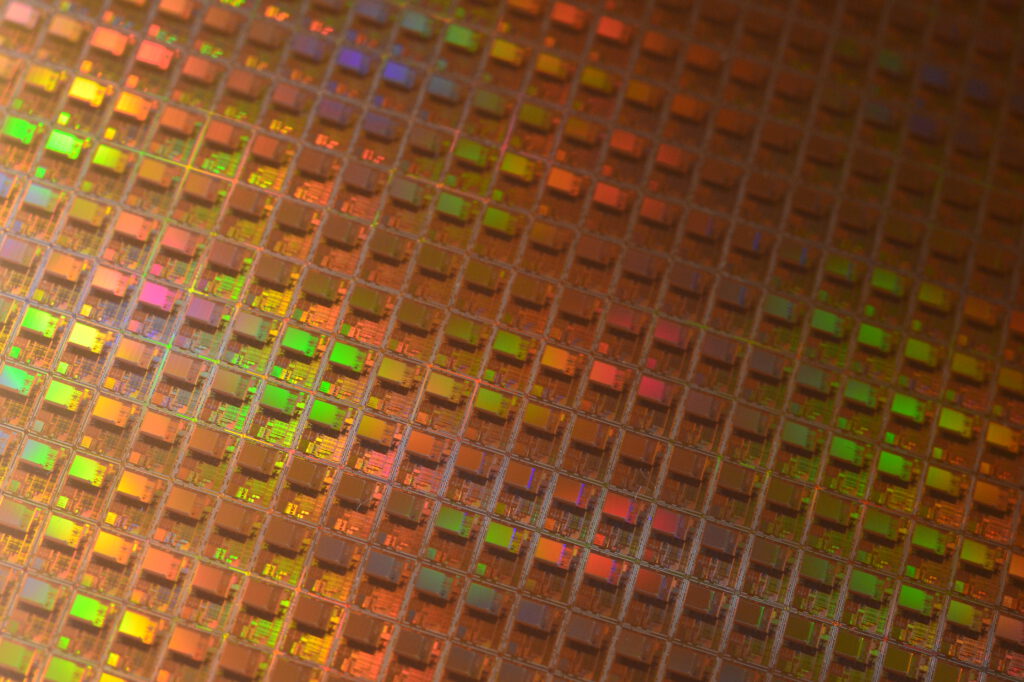
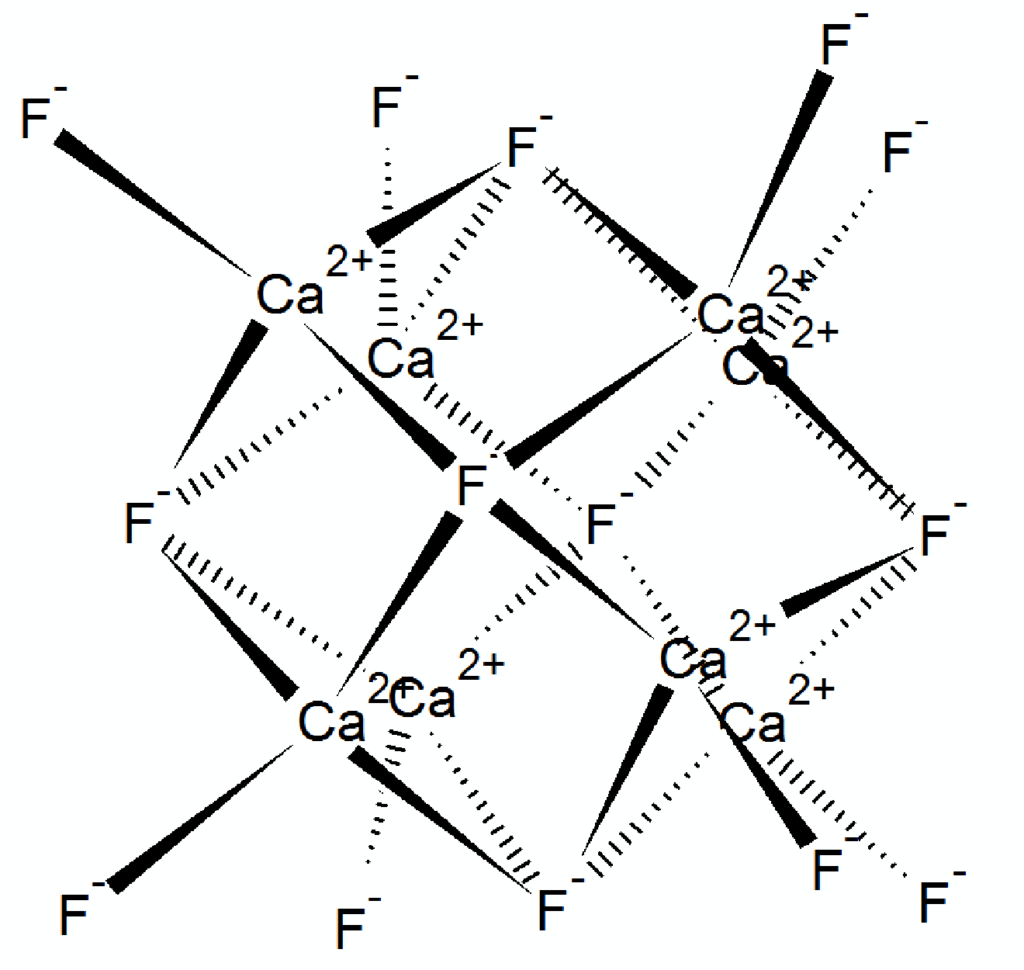
Breakthroughs in semiconductors, batteries, and nanomaterials drive technological transformation and sustainability.
Paramus INOR
The Paramus.ai Materials Science Solution, driven by Thorsten Gressling, integrates AI-based simulation, structure–property prediction, and accelerated materials discovery pipelines.
$899 USD*
* named user, per year, terms apply. Some apps require commercial licenses from the vendors.
Included
The materials science package from Paramus contains:
Models
Universal Potentials & AI Models
Foundation model for inorganic materials (89 elements, MPtrj)
Multi-head model: energy + forces + stress + MLFF fine-tuning
Trained on OMAT24 for bulk, surface, and defect simulations
Microsoft deep-learning atomistic model for materials
Orbital Materials universal potential for periodic systems
Neural potential for organic/elemental-organic molecules
Data
Datasets (Materials & Structures)
Open-access crystal structures for organic/inorganic compounds
134k organic molecules: HOMO, LUMO, gaps, dipole, Cv
QM9 + IR, Raman, UV-Vis spectra and tensorial properties
Amorphous silicon structures from GAP-driven MD
76 molecules with CCSD(T)/CBS atomization energies
Simulation & HPC
Quantum Chemistry & Molecular Dynamics
Massively parallel MD for materials, alloys, ceramics
MD engine optimized for periodic systems with GPU
Mixed Gaussian/plane-wave DFT for periodic systems and surfaces
Quantum chemistry: HF, DFT, MP2, CCSD(T), SAPT
Scalable QC for HF, DFT, plane-wave DFT, AIMD (MPI)
Ab initio QC: HF, DFT, MP2, MCSCF, CI, relativistic
Scalable MD for large biomolecular and materials systems
Build initial MD configurations: boxes, slabs, interfaces
Atomic Simulation Environment: Python interface to DFT/MD codes
Semi-empirical QC for fast screening of large systems
FAQ
Metals, ceramics, semiconductors, nanomaterials, composites, and crystalline solids. The platform supports both organic and inorganic material characterization.
NWChem, ORCA, Psi4, and xTB for density functional theory (DFT), semi-empirical, and ab initio calculations at various levels of theory.
Yes. Import CIF files, visualize unit cells, compute band structures, and predict bulk properties. ASE integration provides access to many solid-state calculation workflows.
Pre-trained models predict material properties from composition or structure. You can also train custom models on your experimental data using built-in ML pipelines.
Yes. OPERATE orchestrates parallel computations across multiple engines, enabling systematic exploration of composition spaces and processing conditions.